
language
What are the Key Features of Sachet Filling Machines
Aug 11, 2026
Sachet filling machines are vital equipment in various industries, designed to efficiently package products into small, sealed pouches known as sachets. These machines offer versatility and precision, making them indispensable for businesses requiring high-speed and accurate filling solutions. Understanding the essential features and specifications of sachet filling machines is crucial for selecting the right equipment tailored to specific production needs.

One of the primary features of sachet filling machines is their capability to handle different types of products, including liquids, powders, granules, and pastes. For example, liquid filling machines are specialized variants designed to fill water, oils, sauces, and other fluid substances with accuracy and minimal spillage. Similarly, powder filling machines are optimized to handle fine or coarse powders, ensuring consistent dosage and reducing wastage during the packaging process.
Another important characteristic is the machine’s packaging format flexibility. Modern sachet packing machines can produce various sachet shapes and sizes, such as four-side seal sachets, and stick packs. This adaptability enables manufacturers to cater to diverse market demands and product presentations. Additionally, these machines often come equipped with advanced control systems, such as touchscreens and PLCs (Programmable Logic Controllers), which allow operators to easily set parameters like filling volume, sachet length, and sealing temperature, ensuring consistent quality and efficiency.
Speed and automation level are also key specifications. High-speed sachet filling machines can package hundreds to thousands of sachets per minute, significantly boosting production capacity. Automation reduces the need for manual labor, lowers the risk of contamination, and improves overall operational safety. Furthermore, the machine includes integrated features such as automatic feeding, weighing, filling, sealing, cutting, and printing batch numbers or expiration dates on the sachets.
Material compatibility is another crucial consideration. Sachet filling machines are typically constructed from stainless steel and food-grade materials to comply with hygiene standards, especially when used in food, pharmaceutical, or cosmetic industries. Easy cleaning and maintenance are essential to prevent cross-contamination and ensure continuous operation.
In summary, sachet filling machines combine versatility, precision, and automation to meet the demanding requirements of modern packaging processes. Whether dealing with liquids, powders, or granular products, these machines provide reliable performance, customizable packaging options, and enhanced productivity. Selecting a high-quality sachet packing machine from a reputable manufacturer ensures that businesses can maintain consistent product quality while optimizing their packaging operations.


Recent Posts

October 26, 2016
The Most Successful Engineering Contractor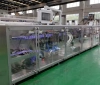

Aug 21, 2026
Tips for Coffee Sachet Packing Machine Maintenance
Aug 05, 2026
High Capacity Horizontal Packaging Machinery Guide

Get a Tailored Quote
Tell us about your packaging requirements. Acepack's sales engineers will respond within 3-6 hours with a customized solution.
Contact US
Product Information
Quantity
Unit
Piece
Support order samples, customization, wholesale direct, and complete payment. If the product you look for does not have corresponding customized content, pls fill out the form below to contact us, and we will reply ASAP.