
language
How to Maintain Your Stand Up Spout Pouch Filling Machine & Troubleshoot Common Issues?
Jul 07, 2025
Investing in a stand up spout pouch filling machine unlocks efficiency, but maintaining peak performance and minimizing downtime is crucial. How do you keep your machine running smoothly, and what are the quick fixes for common problems like leaks or jams?

1. Essential Daily, Weekly & Monthly Maintenance
Preventative maintenance is far cheaper than reactive repairs!
-
Daily:
-
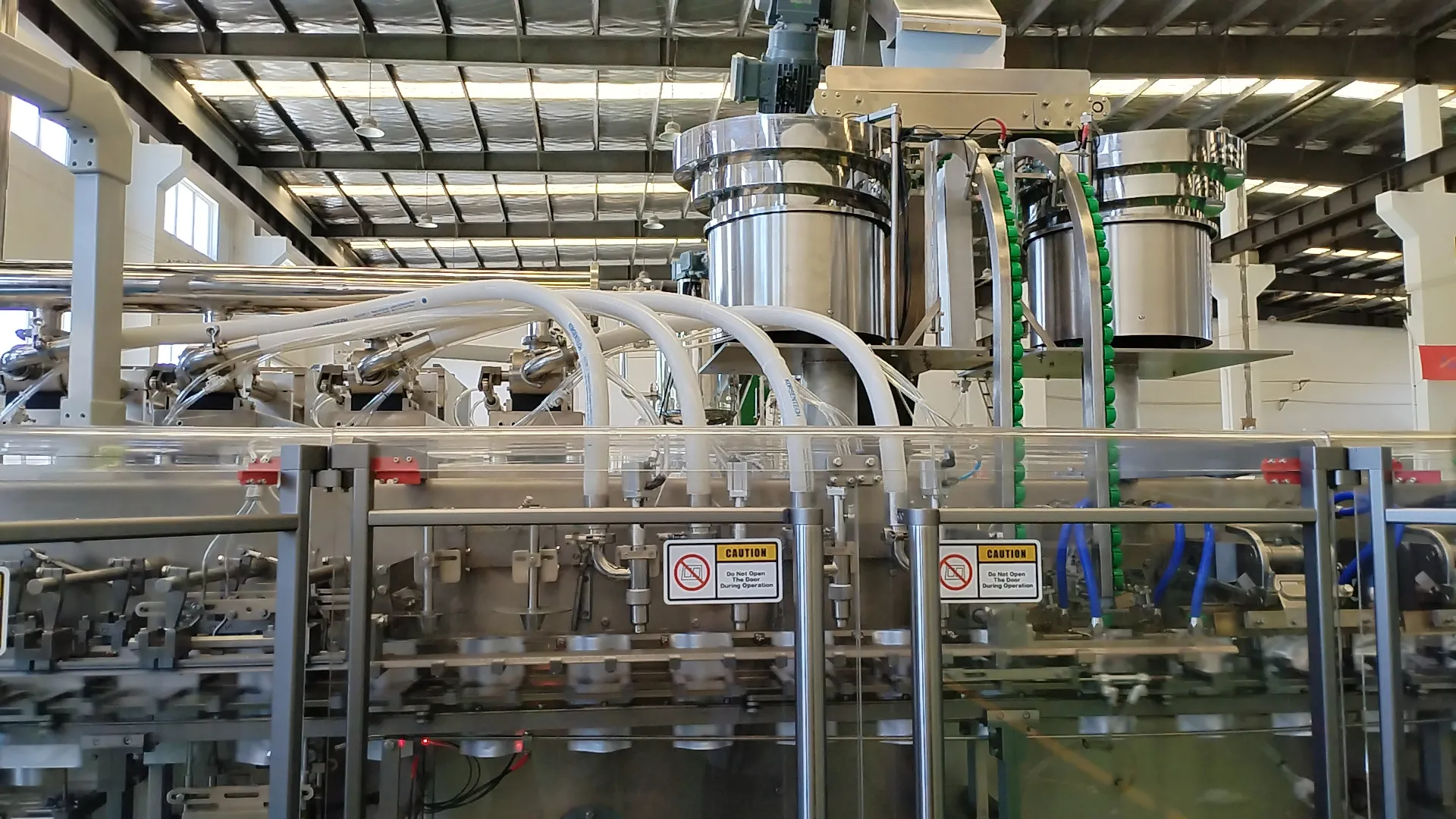
Wipe down all surfaces (especially filling nozzles, sealing jaws, cap chutes).
-
Visually inspect for leaks (air, product), loose parts, or unusual noises/vibrations.
-
Check lubrication points (if specified – some use permanent lubricants).
-
Purge filling system if changing products (prevent cross-contamination).
-
-
Weekly:
-
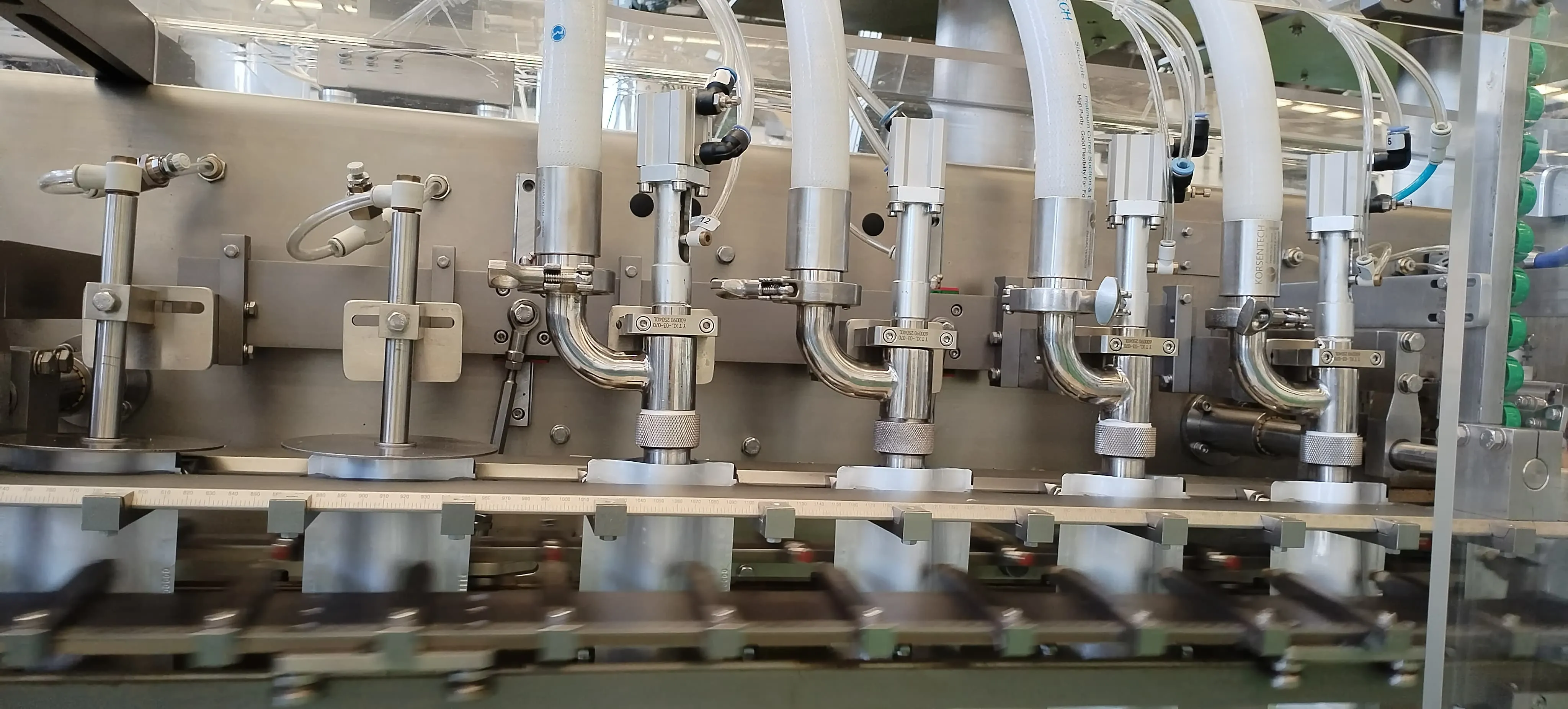
Thoroughly clean filling valves, nozzles, product contact paths (follow CIP procedures if equipped).
-
Inspect wear parts: Sealing jaw Teflon tape, gaskets/O-rings, auger screws (for powder), piston seals.
-
Check pneumatic filters/drains.
-
Verify filling accuracy with test weights/measures.
-
-
Monthly/Quarterly:
-
Deep clean entire machine (disassemble key components per manual).
-
Inspect drive chains/belts for tension and wear.
-
Calibrate filling system and load cells (if net weight).
-
Check electrical connections/tightness.
-
2. Troubleshooting Common Problems
-
Problem: Leaking Pouches (Seal Failure)
-
Causes: Contaminated seal area (product residue, dust), worn/damaged sealing jaws or Teflon tape, incorrect temperature/pressure/dwell time settings, poor pouch material quality.
-
Solutions: Clean jaws meticulously between runs. Replace worn Teflon tape. Verify and adjust sealing parameters (consult pouch supplier specs). Ensure pouch material is suitable. Check jaw alignment.
-
-
Problem: Inaccurate Filling Volumes
-
Causes: Worn piston seals or auger components, air entrapment (viscous products), clogged nozzles/valves, incorrect parameter settings, calibration drift (net weight).
-
Solutions: Inspect/replace worn seals/augers. Degas product if possible. Clean nozzles/valves thoroughly. Recalibrate filling parameters or load cells. Check for product viscosity changes.
-
-
Problem: Spout/Cap Application Issues (Misaligned, Not Seated, Missing Caps)
-
Causes: Misaligned cap feeder/chute, worn cap grippers, incorrect cap type/supplier, static electricity (lightweight caps), pouch spout deformation.
-
Solutions: Adjust cap feeding mechanism alignment. Replace worn grippers. Verify cap specification compatibility. Use ionizing air to reduce static. Ensure pouch spouts are undamaged and correctly presented.
-
-
Problem: Pouch Feeding Jams or Misalignment
-
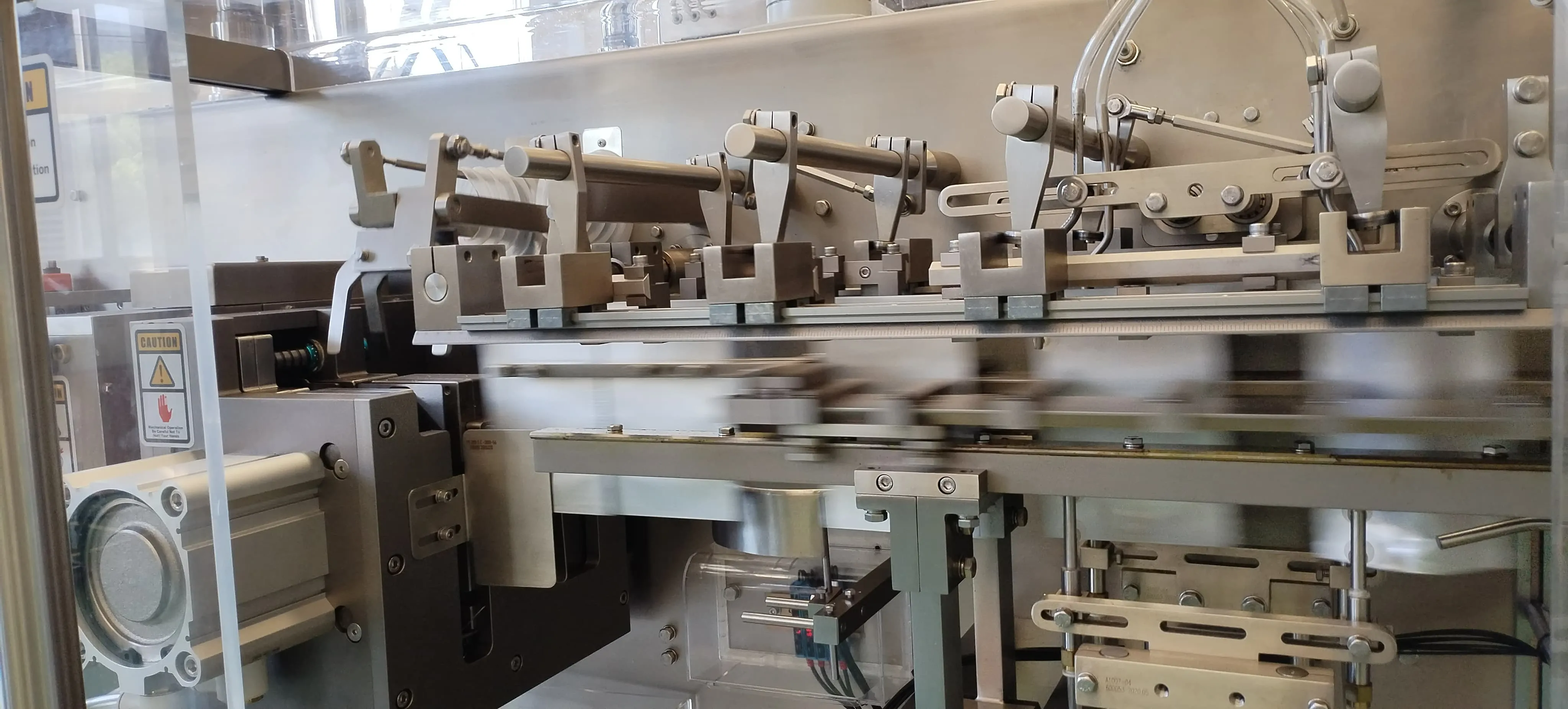
Causes: Pouch magazine misadjustment, damaged/bent pouches, static cling, incorrect pouch size setting on machine, worn feed belts/grippers.
-
Solutions: Carefully adjust magazine guides for pouch size. Inspect pouch quality. Use anti-static treatment if needed. Verify machine settings match pouch. Inspect/replace worn feed components.
-
-
Problem: Machine Stops/Unexpected Errors
-
Causes: Often safety interlock triggered (door open, guard moved), sensor blockage/failure, pneumatic pressure drop, overload, PLC error.
-
Solutions: Check all safety doors/guards are fully closed. Clean optical sensors. Check air pressure supply. Consult HMI error message – reset if clear. Check manual for specific error codes.
-
3. Maximizing Uptime & Longevity
-
Use Genuine Spare Parts: OEM parts ensure fit and performance.
-
Invest in Operator Training: Skilled operators prevent misuse and catch issues early.
-
Keep Detailed Logs: Record maintenance, adjustments, and issues for pattern recognition.
-
Schedule Professional Servicing: Annual/bi-annual checkups by qualified technicians.
-
Maintain a Clean Environment: Dust and debris are major causes of wear and sensor issues.
Conclusion: Consistent, proactive maintenance is the key to maximizing the productivity and lifespan of your stand-up spout pouch filling machine. By understanding common failure points and implementing a rigorous maintenance schedule, you can drastically reduce costly downtime and ensure consistently high-quality packaging. Bookmark this guide and always refer to your specific machine's manual for detailed procedures!

Recent Posts

October 26, 2016
The Most Successful Engineering Contractor


Get a Tailored Quote
Tell us about your packaging requirements. Acepack's sales engineers will respond within 3-6 hours with a customized solution.
Contact US
Product Information
Quantity
Unit
Piece
Support order samples, customization, wholesale direct, and complete payment. If the product you look for does not have corresponding customized content, pls fill out the form below to contact us, and we will reply ASAP.