
language
Stand-Up Pouch Filling Machine ROI: Boost Efficiency & Cut Costs
May 30, 2025
Stand-up pouches offer consumer appeal and supply chain advantages, but manually filling them is slow, inconsistent, and costly. Investing in a stand-up pouch filling machine isn't just about automation; it's a strategic business decision with a compelling Return on Investment (ROI). This article explores the tangible benefits that justify the investment and contribute directly to your bottom line.
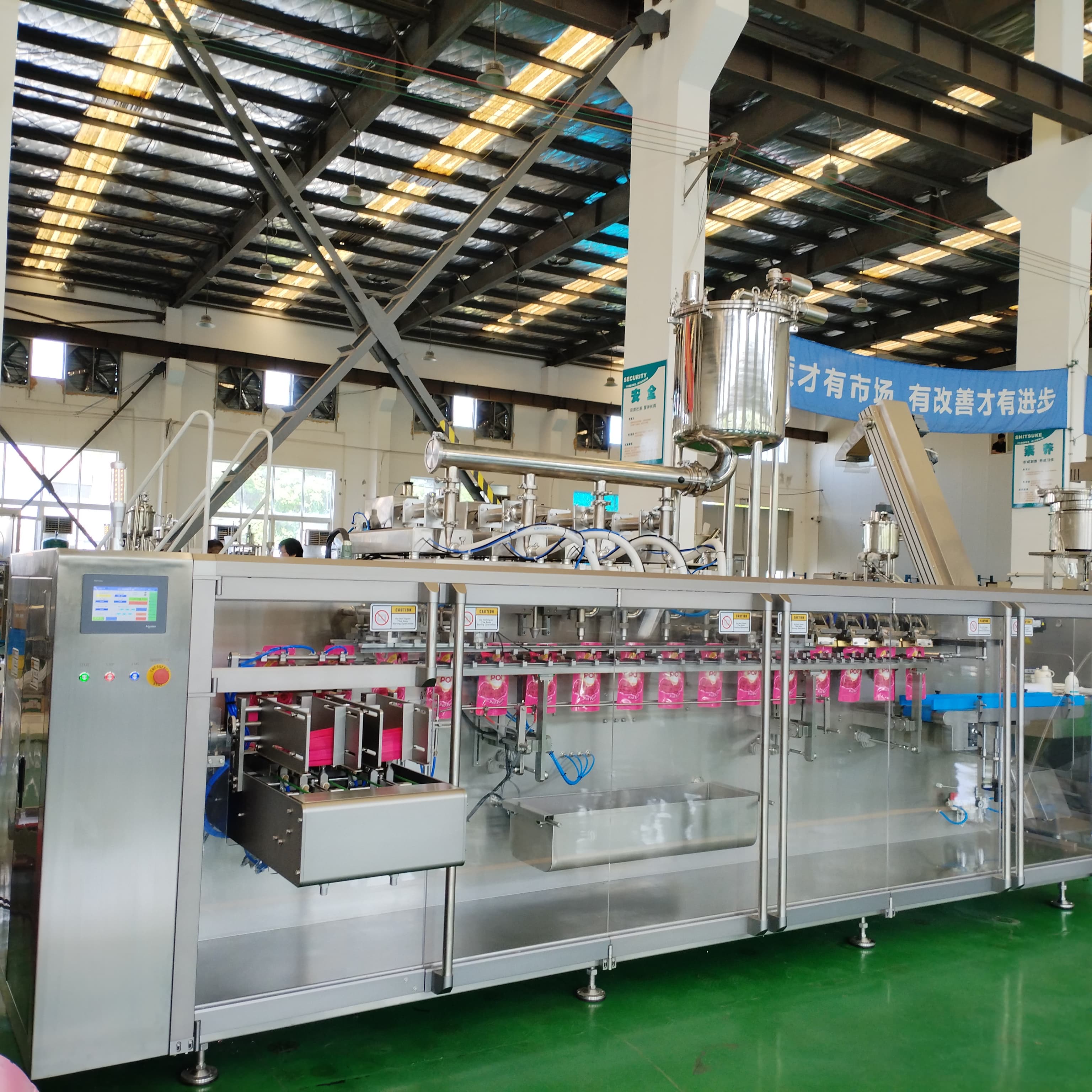
The High Cost of Manual Filling:
Before examining the benefits, consider the drawbacks of manual or semi-manual filling:
-
High Labor Costs: Requires multiple operators for feeding, filling, sealing, and inspection. Labor is often the highest operational cost.
-
Inconsistency & Errors: Human error leads to underfilling (consumer dissatisfaction, regulatory issues), overfilling (product giveaway = lost revenue), and inconsistent seals (leaks, spoilage, recalls).
-
Slow Speeds: Manual processes severely limit production output, creating bottlenecks.
-
Product Waste: Spillage during transfer and filling, along with rejected pouches due to errors, adds up significantly.
-
Hygiene & Safety Risks: Manual handling increases contamination risks and potential for repetitive strain injuries.
-
Scalability Challenges: Difficult and expensive to ramp up production significantly.
Quantifiable Benefits & ROI Drivers:
-
Significant Labor Cost Reduction:
-
Automated filling, sealing, and pouch handling drastically reduce the number of operators required per line.
-
One operator can often oversee multiple automated machines.
-
ROI Impact: Direct savings on wages, benefits, and associated overhead. Labor savings often form the largest part of the ROI calculation.
-
-
Dramatic Increase in Production Speed & Output:
-
Stand-up pouch fillers operate at speeds ranging from 20 to over 120 pouches per minute (PPM), far exceeding manual capabilities.
-
ROI Impact: Increased throughput allows you to meet higher demand, fulfill larger orders faster, and potentially reduce the need for overtime or additional shifts. Faster production means lower cost per unit.
-
-
Minimized Product Giveaway & Waste:
-
Precision filling systems (augers, pistons, net weigh scales) ensure extreme accuracy, consistently hitting the target fill weight.
-
ROI Impact: Eliminates costly overfilling (product giveaway). Reduces giveaway by 1-3% or more, which directly translates to recovered revenue, especially valuable with high-value products. Reduces spillage waste.
-
-
Reduced Packaging Material Waste:
-
Consistent sealing and filling minimize rejects due to leaks or incorrect fill levels.
-
Integrated checkweighers and vision systems automatically reject faulty pouches early.
-
ROI Impact: Less wasted laminate film and wasted pre-made pouches. Lower costs for disposal of rejected materials.
-
-
Enhanced Product Quality & Consistency:
-
Machines deliver uniform fill weights and reliable, hermetic seals every time.
-
Gas flushing (MAP) integration extends shelf life significantly, reducing spoilage.
-
ROI Impact: Higher quality reduces customer complaints, returns, and costly recalls. Extended shelf life improves inventory management and reduces waste at retail/distribution. Builds brand reputation for reliability.
-
-
Improved Line Efficiency & Overall Equipment Effectiveness (OEE):
-
Automated machines integrate smoothly with upstream and downstream equipment (denesters, labelers, coders, checkweighers, case packers), creating a streamlined flow.
-
Quick changeover systems minimize downtime between production runs.
-
ROI Impact: Maximizes asset utilization, reduces bottlenecks, and increases overall plant efficiency (OEE), translating to higher total output without adding lines.
-
-
Greater Operational Flexibility:
-
Modern machines with recipe storage allow quick changeovers between different pouch sizes and products.
-
ROI Impact: Enables smaller batch runs, faster response to market trends, and efficient production of a wider product portfolio on the same line.
-
-
Enhanced Hygiene & Safety:
-
Automated filling minimizes human contact with the product.
-
Machines built with food-grade stainless steel and hygienic design principles are easier to clean and sanitize.
-
ROI Impact: Reduces risk of product contamination and associated recalls/litigation. Improves compliance with food safety regulations (FDA, HACCP, SQF, BRC). Reduces workplace injuries.
-
-
Supporting Sustainability Goals:
-
Stand-up pouches are inherently lighter and require less material than rigid packaging, reducing transportation emissions.
-
Filling machines contribute by minimizing product and material waste (overfilling, rejects).
-
ROI Impact: Aligns with consumer and retailer demands for sustainable practices. Can reduce waste disposal costs and potentially carbon tax implications. Enhances brand image.
-
Calculating Your Potential ROI:
A basic ROI calculation considers:
-
Total Investment Cost: Machine purchase price, installation, training.
-
Annual Operational Savings:
-
Labor Cost Reduction (Number of operators saved * fully loaded labor cost)
-
Product Giveaway Reduction (Annual product volume * average giveaway % * product cost per unit)
-
Material Waste Reduction (Film/pouch waste reduction * cost per pouch)
-
Reduced Spoilage/Returns (Estimated reduction * cost per incident)
-
Increased Throughput Revenue (Additional units produced * profit margin per unit - if capacity constrained)
-
-
Annual Operational Costs: Maintenance, utilities, consumables.
-
ROI (%) = (Annual Savings - Annual Costs) / Total Investment Cost * 100
Conclusion:
Investing in a stand-up pouch filling machine delivers a powerful combination of cost savings, efficiency gains, quality improvements, and risk reduction. The quantifiable benefits – particularly in labor savings, waste reduction, and increased throughput – typically lead to a rapid and substantial ROI, often within 1-3 years. Beyond the numbers, the investment enhances brand reputation through consistent quality, supports sustainability initiatives, and provides the scalability needed for future growth. For businesses serious about packaging stand-up pouches competitively and profitably, automation is not an expense; it's a strategic necessity with a clear financial return.

Recent Posts

October 26, 2016
The Most Successful Engineering Contractor


Get a Tailored Quote
Tell us about your packaging requirements. Acepack's sales engineers will respond within 3-6 hours with a customized solution.
Contact US
Product Information
Quantity
Unit
Piece
Support order samples, customization, wholesale direct, and complete payment. If the product you look for does not have corresponding customized content, pls fill out the form below to contact us, and we will reply ASAP.