
language
The Efficiency Revolution: How Premade Spout Pouch Filling and Capping Machines Transform Production Lines
May 28, 2025
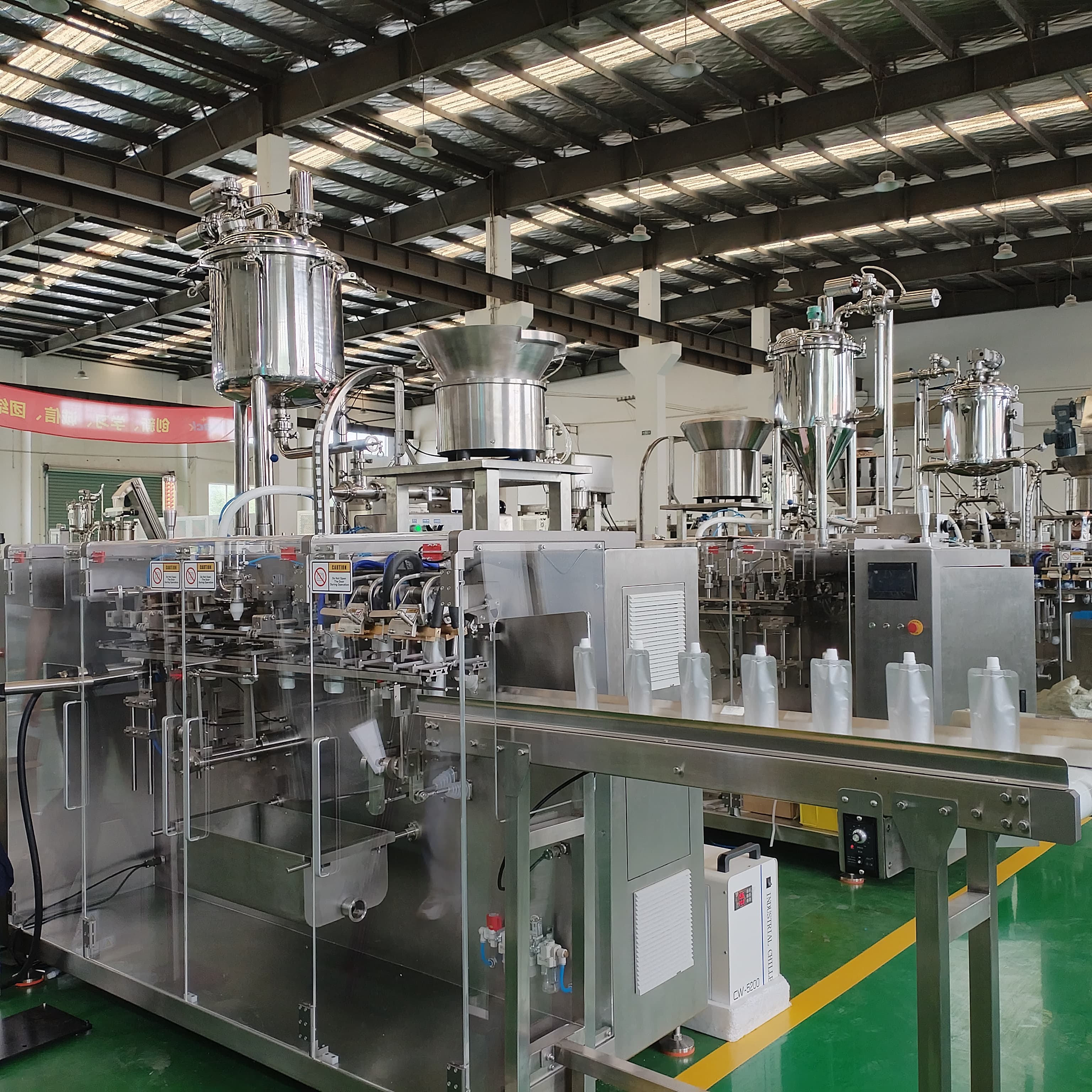
The packaging industry’s relentless pursuit of efficiency has found a powerful ally: the premade spout pouch filling and capping machine. As brands shift toward sustainable, user-friendly spouted pouches for liquids and semi-liquids, these automated systems are becoming indispensable for competitive manufacturing. Let’s explore how this technology streamlines operations, reduces costs, and future-proofs production.
Why Spout Pouches? Market Demand Driving Automation
Spout pouches dominate sectors like baby food, sports nutrition, detergents, and beverages. Their advantages are clear:
-
Consumer Appeal: Leak-proof caps, resealability, and lightweight design.
-
Sustainability: 70% less plastic than rigid containers (FPA, 2023).
-
Shelf Impact: Vibrant printing surfaces boost brand visibility.
Meeting this demand manually is untenable. Enter automated premade spout pouch filling and capping systems – the backbone of high-volume, consistent production.
Core Efficiency Advantages
-
Unmatched Speed:
Modern machines fill and cap 60–120 pouches per minute. Compare this to semi-automatic systems (15–20 pouches/minute), and the ROI becomes undeniable.
Example: A dairy company increased output by 300% after automation, meeting retail contracts previously unattainable. -
Precision Engineering = Zero Waste:
Integrated servo motors ensure:-
±0.5% filling accuracy (critical for high-value products like supplements).
-
Thread-aligned capping torque control, eliminating leaks and product recalls.
-
Reject systems for underfilled/damaged pouches pre-sealing.
-
-
Labor & Operational Cost Reduction:
One automated line replaces 5–8 manual stations. Savings extend beyond wages:-
Reduced training costs
-
Lower utility consumption vs. bulky bottling lines
-
Minimized material overfill (saving 4–7% in product costs)
-
Key Machine Features Impacting ROI
-
Quick-Change Tooling: Switch formats (50ml–1000ml) in <15 mins.
-
Vision Inspection Systems: Detect cap defects, fill levels, and print alignment in real-time.
-
HMI Controls: Cloud-enabled diagnostics for predictive maintenance.
-
Hygienic Design: Full CIP/SIP compatibility for food/pharma.
Overcoming Implementation Challenges
-
Pouch Quality: Inconsistent spout weld integrity causes 80% of jams. Partner with reputable pouch suppliers.
-
Integration: Ensure upstream/downstream compatibility (e.g., bag flatteners, case packers).
-
Validation: Allocate 2–3 weeks for FDA/ISO validation protocols.
Future Trends
-
AI-Driven Optimization: Machines predicting pouch misfeeds via historical data.
-
Sustainable Materials: Adapting to bio-based films and recyclable spouts.
-
Modular Upgrades: Adding gas flushing or laser coding post-installation.
Conclusion
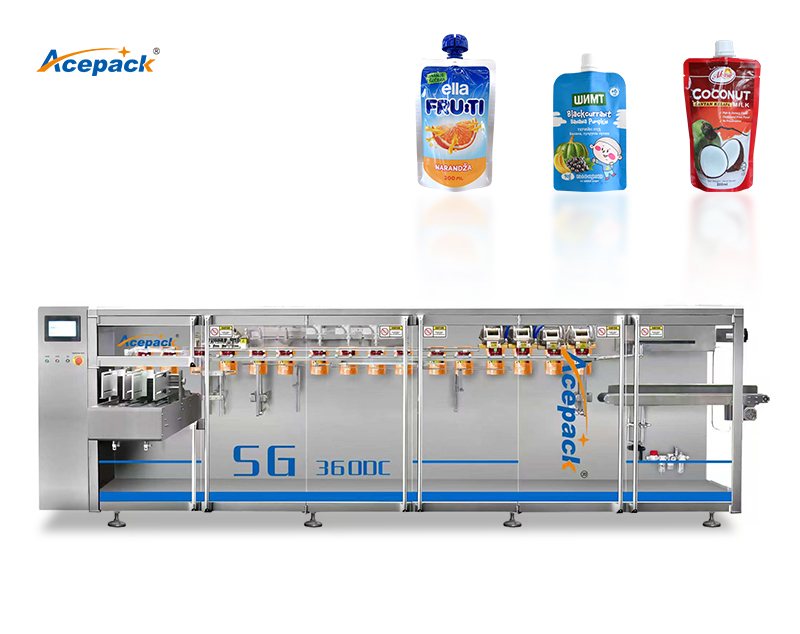
Investing in a premade spout pouch filling and capping machine isn’t just about automation—it’s a strategic move toward resilient, scalable manufacturing. Brands leveraging this technology report payback periods under 18 months while slashing waste by up to 20%. As spout pouches capture more market share, early adopters gain a decisive edge in agility and profitability.
Recent Posts

October 26, 2016
The Most Successful Engineering Contractor


Get a Tailored Quote
Tell us about your packaging requirements. Acepack's sales engineers will respond within 3-6 hours with a customized solution.
Contact US
Product Information
Quantity
Unit
Piece
Support order samples, customization, wholesale direct, and complete payment. If the product you look for does not have corresponding customized content, pls fill out the form below to contact us, and we will reply ASAP.