
language
Understanding Horizontal Roll-Stock Flat and Stand Up Pouch Packaging: Your Questions Answered
Aug 04, 2025
In the world of packaging, two popular formats have emerged as favorites among manufacturers and consumers alike: horizontal roll-stock flat pouches and stand-up pouches. But what exactly are these packaging types, and how do they differ? In this blog, we will explore these questions and more in a Q&A format to help you understand the nuances of these packaging solutions.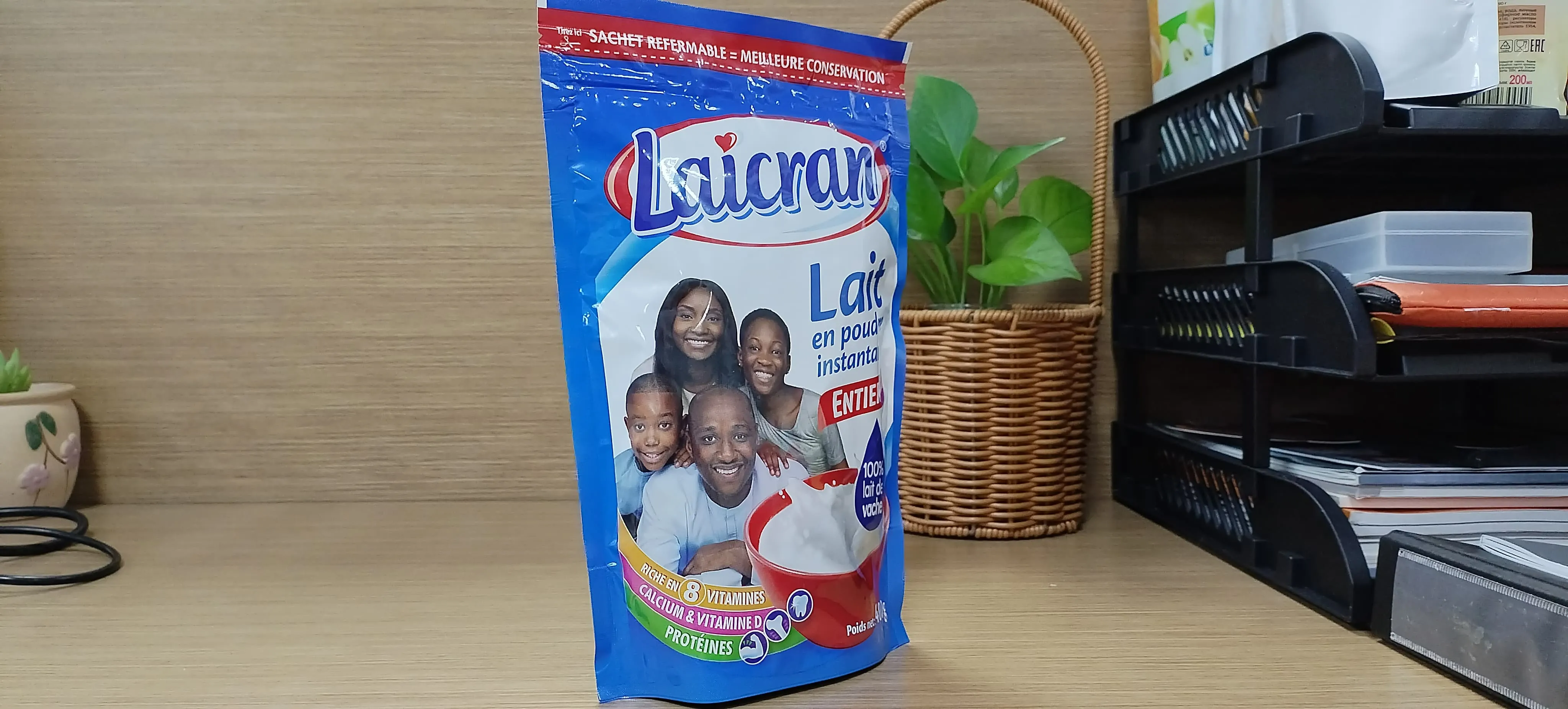
What is Horizontal Roll-Stock Flat Pouch Packaging?
Q: Can you explain what horizontal roll-stock flat pouch packaging is?
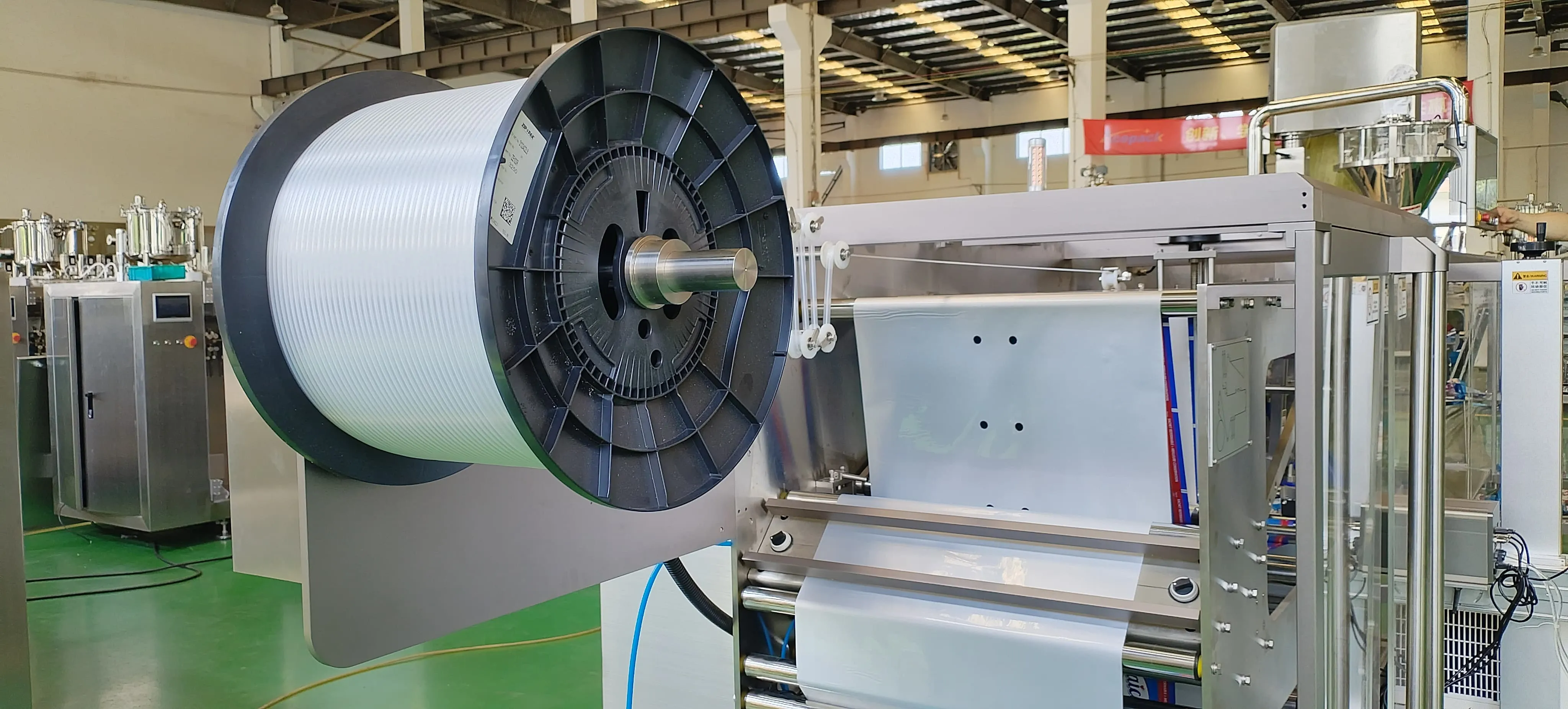
A: Horizontal roll-stock flat pouch packaging refers to a type of packaging that is created from a continuous roll of film. The film is printed, cut, and sealed to form flat pouches that are typically used for products like snacks, pet food, and other dry goods. The horizontal orientation allows for efficient filling and sealing processes, making it a popular choice in high-speed production environments.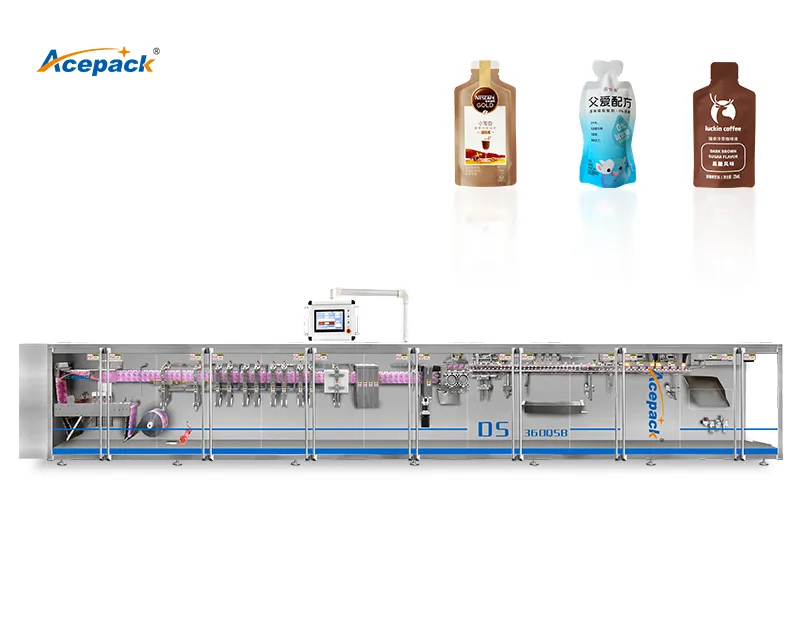
What are Stand-Up Pouches?
Q: What are stand-up pouches, and how do they differ from flat pouches?
A: Stand-up pouches are flexible packaging solutions that can stand upright on store shelves due to their bottom gusset. This design not only enhances shelf appeal but also provides convenience for consumers. Stand-up pouches are often used for products like coffee, granola, and sauces, allowing for easy pouring and storage.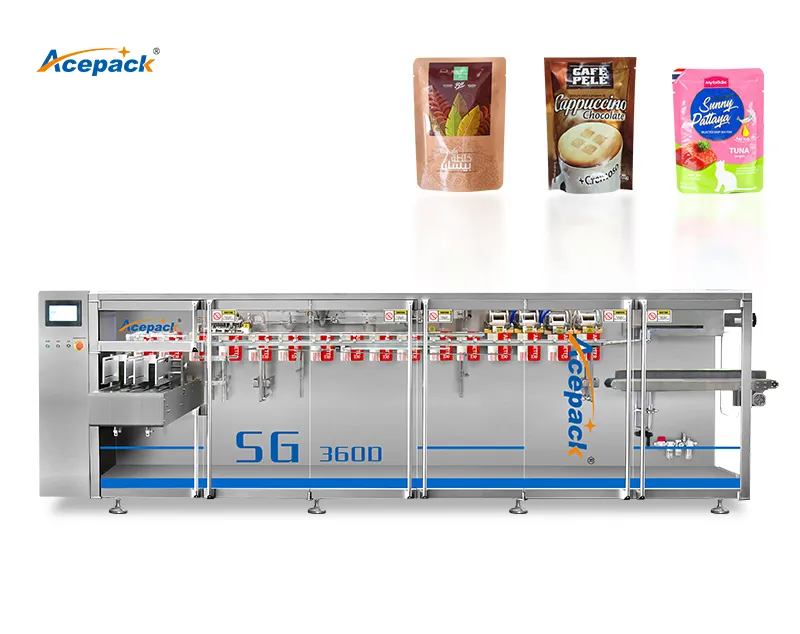
What are the Key Differences Between Horizontal Roll-Stock Flat and Stand-Up Pouch Packaging?
Q: What are the main differences between horizontal roll-stock flat pouches and stand-up pouches?
A: The primary differences lie in their design, functionality, and application:
-
Design: Horizontal roll-stock flat pouches are flat and typically have a simple design, while stand-up pouches have a gusseted bottom that allows them to stand upright.
-
Filling Process: Horizontal roll-stock pouches are often filled from the top, while stand-up pouches can be filled from the bottom or top, depending on the design.
-
Shelf Appeal: Stand-up pouches tend to have a more attractive shelf presence due to their ability to stand upright, making them more visible to consumers.
-
Product Types: Flat pouches are commonly used for dry goods, while stand-up pouches are versatile and can accommodate both dry and liquid products.
What Are the Advantages of Using Horizontal Roll-Stock Flat Pouches?
Q: What are the benefits of choosing horizontal roll-stock flat pouches for packaging?
A: There are several advantages to using horizontal roll-stock flat pouches:
-
Cost-Effective: The continuous roll format allows for efficient production, reducing material waste and costs.
-
Space-Saving: Flat pouches take up less space during storage and transportation, making them a practical choice for manufacturers.
-
Easy to Seal: The sealing process for flat pouches is straightforward, which can lead to faster production times.
-
Customizable: Horizontal roll-stock pouches can be easily customized in terms of size, design, and printing, allowing brands to create unique packaging that stands out.
What Are the Advantages of Stand-Up Pouches?
Q: What benefits do stand-up pouches offer to manufacturers and consumers?
A: Stand-up pouches come with their own set of advantages:
-
Enhanced Visibility: Their ability to stand upright makes them more eye-catching on store shelves, which can lead to increased sales.
-
Convenience: Stand-up pouches are easy to open, reseal, and pour from, providing a user-friendly experience for consumers.
-
Versatility: They can accommodate a wide range of products, including liquids, powders, and solids, making them suitable for various industries.
-
Sustainability: Many stand-up pouches are made from recyclable materials, appealing to environmentally conscious consumers.
Which Packaging Type Should You Choose?
Q: How do I decide between horizontal roll-stock flat pouches and stand-up pouches for my product?
A: The choice between the two packaging types depends on several factors:
-
Product Type: Consider the nature of your product. If it’s a dry good, flat pouches may suffice. If it’s a liquid or requires easy pouring, stand-up pouches are likely the better option.
-
Branding Goals: If shelf appeal is a priority, stand-up pouches may provide a more attractive presentation.
-
Production Efficiency: Evaluate your production capabilities. If you have high-speed filling equipment, horizontal roll-stock pouches may be more efficient.
-
Cost Considerations: Analyze your budget and production costs. Flat pouches may offer a more cost-effective solution, while stand-up pouches may require a higher investment.
Conclusion
Q: What should I take away from this discussion on horizontal roll-stock flat and stand-up pouch packaging?
A: Both horizontal roll-stock flat pouches and stand-up pouches have their unique advantages and applications. Understanding the differences between them can help you make informed decisions about your packaging needs. Whether you prioritize cost, shelf appeal, or product compatibility, there’s a packaging solution that can meet your requirements. As the packaging industry continues to evolve, staying informed about these options will ensure your products stand out in a competitive market.


Recent Posts

October 26, 2016
The Most Successful Engineering Contractor


Get a Tailored Quote
Tell us about your packaging requirements. Acepack's sales engineers will respond within 3-6 hours with a customized solution.
Contact US
Product Information
Quantity
Unit
Piece
Support order samples, customization, wholesale direct, and complete payment. If the product you look for does not have corresponding customized content, pls fill out the form below to contact us, and we will reply ASAP.